
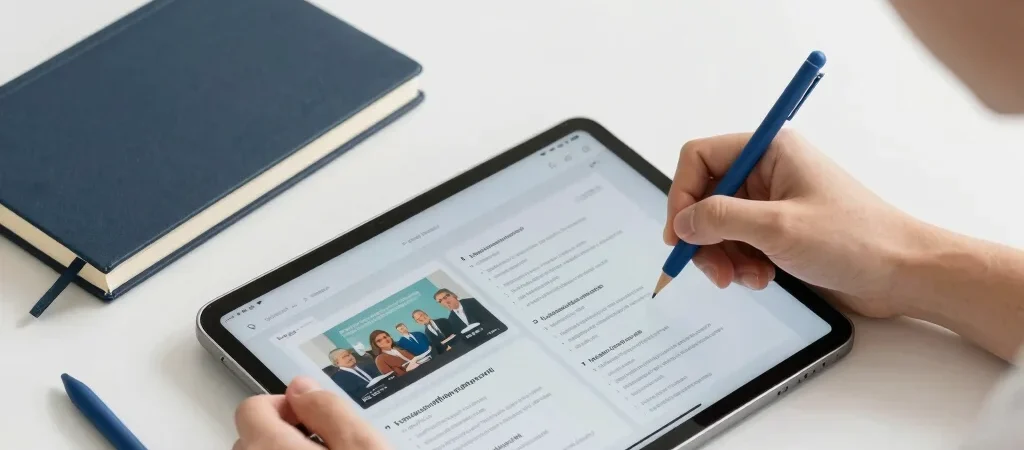
Self-directed learning is at the heart of effective home education, transforming students from passive information receivers into active scholars. When learners master the ability to navigate educational content independently, they build essential cognitive skills that serve them through university and professional life.
Setting Clear Goals for Independent Work
Transitioning into distance learning requires breaking broad subject curriculums into manageable daily objectives. Encourage students to set concrete targets before starting each module session, such as completing a practice problem set or writing a draft outline. Clear targets eliminate ambiguity and provide immediate feedback on learning velocity.
Utilizing Digital Resources Effectively
Modern educational interfaces offer rich multimedia resources, from video explanations to self-checking diagnostic quizzes. Students should be encouraged to interact actively with these tools by taking structured physical notes during digital lectures and summarizing main arguments in their own words.
Fostering Critical Thinking and Reflection
True comprehension goes beyond memorizing formulas or facts for an upcoming test. Incorporating end-of-week reflection sessions allows self-directed learners to assess which study methods produced the best retention. This habit of self-assessment refines study strategies over time, ensuring long-term academic excellence.